
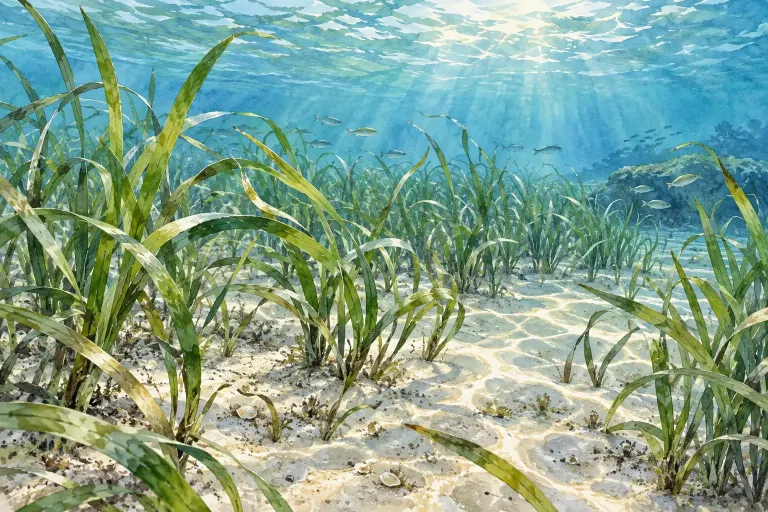
Life Below
Plankton Describes a Way of Moving, Not Just a Small Size
Explore why plankton are grouped by drifting with currents, and why the label covers more than the tiny specks you might imagine in seawater.
Explore why plankton are grouped by drifting with currents, and why the label covers more than the tiny specks you might imagine in seawater.
Read a coastal environment headline by finding the location, time span and measured quantity before extending its conclusion to another shoreline.
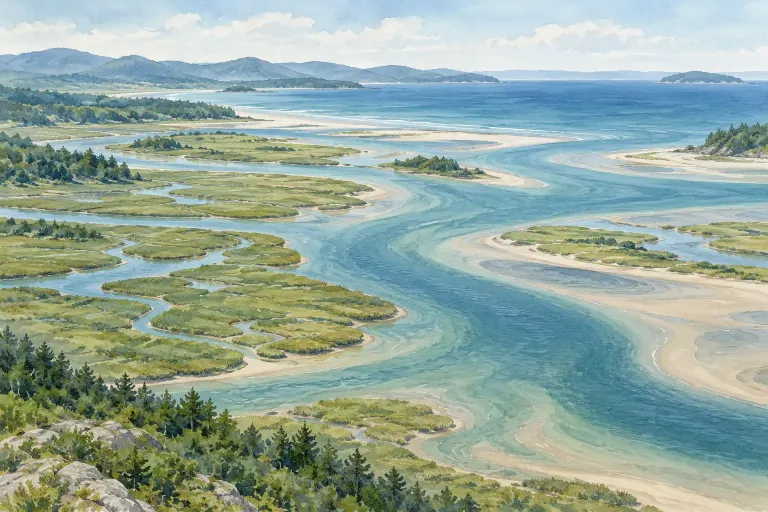
Describe a visible transition between coastal surfaces without assuming that a sharp line on a map marks an equally sharp ecological boundary.
Make a short coastal sound note from a safe public viewpoint, separating audible patterns from uncertain guesses about their sources.
Distinguish an informal beach litter count from a repeatable monitoring survey by checking area, effort, categories and the collection method.
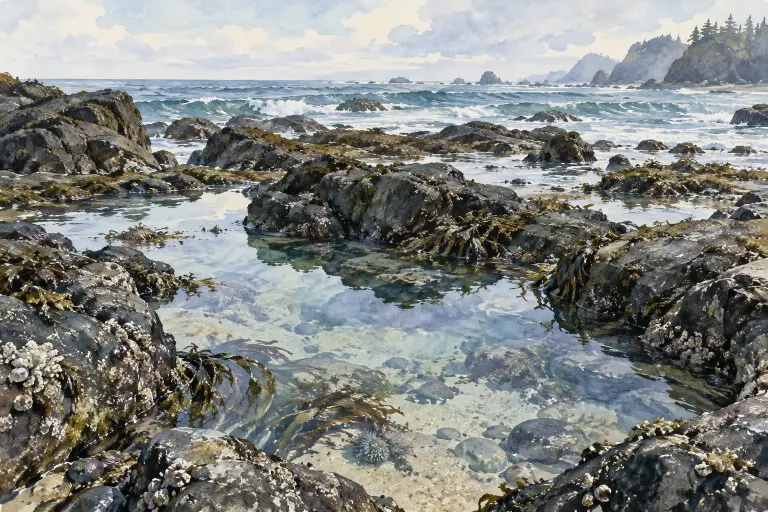
Plan a gentle tide-pool observation around local access guidance, a stable viewpoint and notes that do not require touching or moving marine life.
Look at naturally stranded seaweed as part of beach habitat, while distinguishing it from human-made litter and avoiding disturbance during observation.
Read ocean acidification as a change in seawater chemistry and pH, while distinguishing a long-term process from one local measurement.